
A Greener Approach
Ongoing Work to Reduce the Gallery’s Environmental Impact
The climate emergency is one of the defining challenges of our time. As a leading cultural institution and steward of British Columbia’s artistic heritage, the Vancouver Art Gallery acknowledges both the environmental impact of our own activities and the powerful role that art, artists and cultural institutions can play in shaping awareness, dialogue and change.
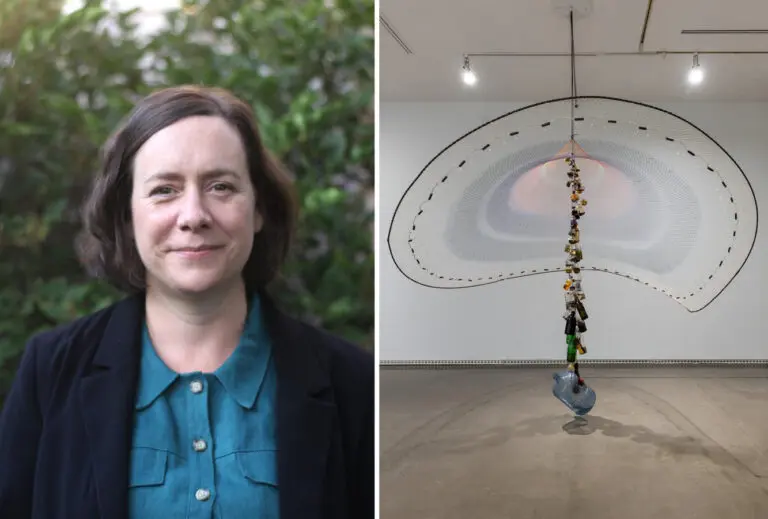
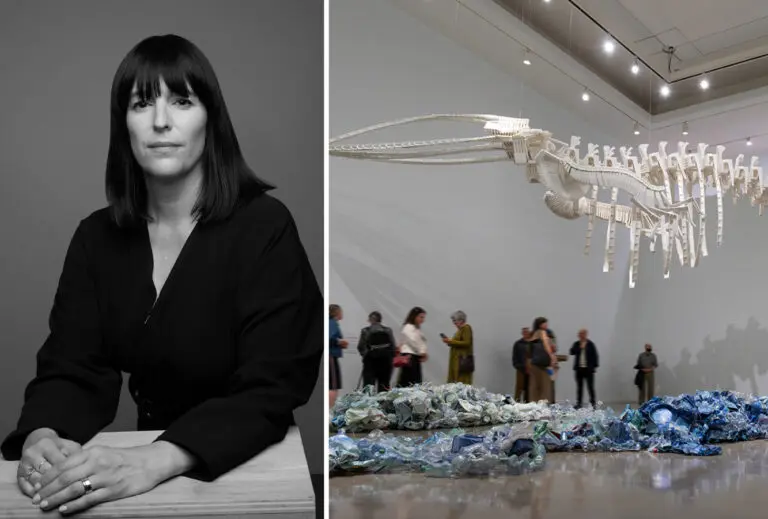
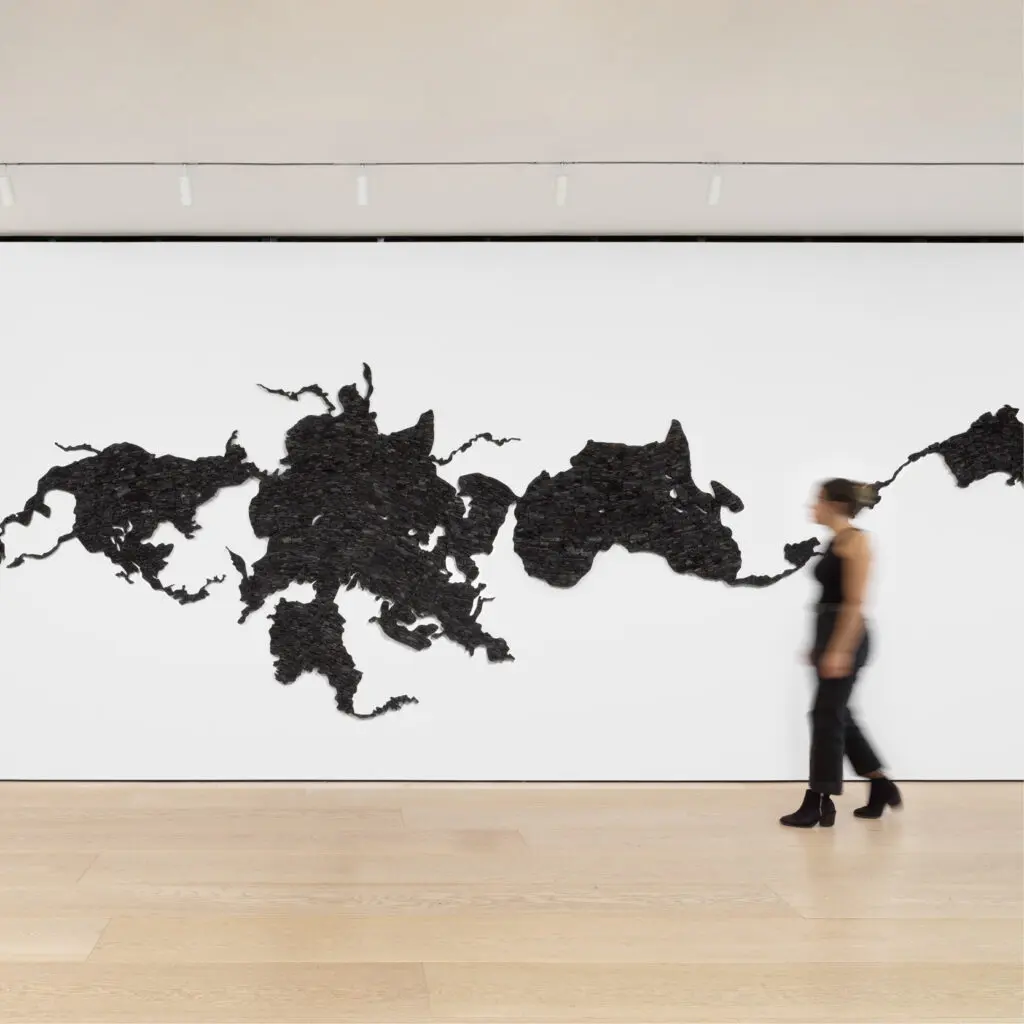
Sustainability is an ongoing commitment that shapes how we create exhibitions, care for our collection, engage with our communities and operate as an organization. Through projects such as Future Geographies: Art in the Century of Climate Change, the Gallery is exploring how exhibitions can serve not only as spaces for artistic expression, but also as platforms for interdisciplinary collaboration, public engagement and new approaches to more sustainable museum practice. This commitment requires continual reflection, experimentation and collaboration across all areas of our work.
Artists are not scientists, nor are they journalists, but they have a role to play in asking questions about our future on this planet. That act of imagining is both a necessity and a form of resistance.”
—Eva Respini, Interim Co-CEO & Curator at Large at the Vancouver Art Gallery
Focused Actions
Organizing and presenting exhibitions are the most resource-intensive aspects of museum work. From shipping artworks and building exhibition architecture to travel and materials, each stage carries an environmental impact.
To pave the way for a more sustainable future, the Vancouver Art Gallery reviewed every stage of exhibition-making for Future Geographies: Art in the Century of Climate Change, and the following measures were implemented:
- Prioritizing local artists and works from the Gallery’s collection to reduce shipping
- Shipping artworks by ground wherever possible
- Reducing curatorial travel and combining trips
- Designing display structures with reused or sustainably sourced materials
- Donating leftover lumber and materials to community groups
- Using recycled or repurposed materials for labels and graphics
- Eliminating solvent-based adhesives and vinyl wall text
- Using low- or no-VOC paints throughout the exhibition
Research and Collaboration
Sustainable Arts and Green Ecosystems
The Vancouver Art Gallery is a participant in Sustainable Arts and Green Ecosystems (SAGE), a local consortium of galleries, museums, theatres and fabricators that promote sustainable exhibition-making.
Our partner in exhibition fabrication, Great Northern Way Scene Shop (GNWS), is committed to eco-conscious operations and provides diversion reports for exhibitions with materials that cannot be repurposed in future exhibitions.
Through GNWS, the Gallery collaborates with Urbanjacks, a local company that diverts wood waste from landfills and transforms it into reclaimed lumber.
More information on these sustainability resources is available through the websites of SAGE, CiMAM and PST ART:
www.museumofvancouver.ca/sage
www.cimam.org/sustainability-and-ecology-museum-practice/
www.pst.art/en/climate
UBC Climate Action Lab
In partnership with the University of British Columbia Climate Action Lab, the Vancouver Art Gallery brought together more than 40 undergraduate students from across disciplines—led by Eva Respini, Interim Co-CEO & Curator at Large at the Gallery, and Dr. Sara Harris, Department of Earth, Ocean and Atmospheric Sciences—to explore new ways of connecting art, science and climate dialogue.
As part of this collaboration, students produced a series of videos presented throughout the exhibition that respond to individual artworks and themes, providing scientific context and expanding on the environmental issues explored in each section. The partnership demonstrates how museums can serve as spaces for shared learning, bringing together artists, curators, scientists, students and audiences to deepen public understanding of the climate crisis.
Canada’s National Observer
The Gallery partnered with Canada’s National Observer, a climate journalism publication, to present Future Geographies: Art in the Century of Climate Change online. The microsite extends the exhibition to audiences worldwide, featuring original essays and videos exploring the artists and their work. Visit the site »
Created by Linda Solomon Wood, Founder and Publisher, Canada’s National Observer, and Eva Respini, the exhibition’s curator, this collaboration unites two Vancouver–based institutions around a central question posed by the artworks themselves and essential to us all.
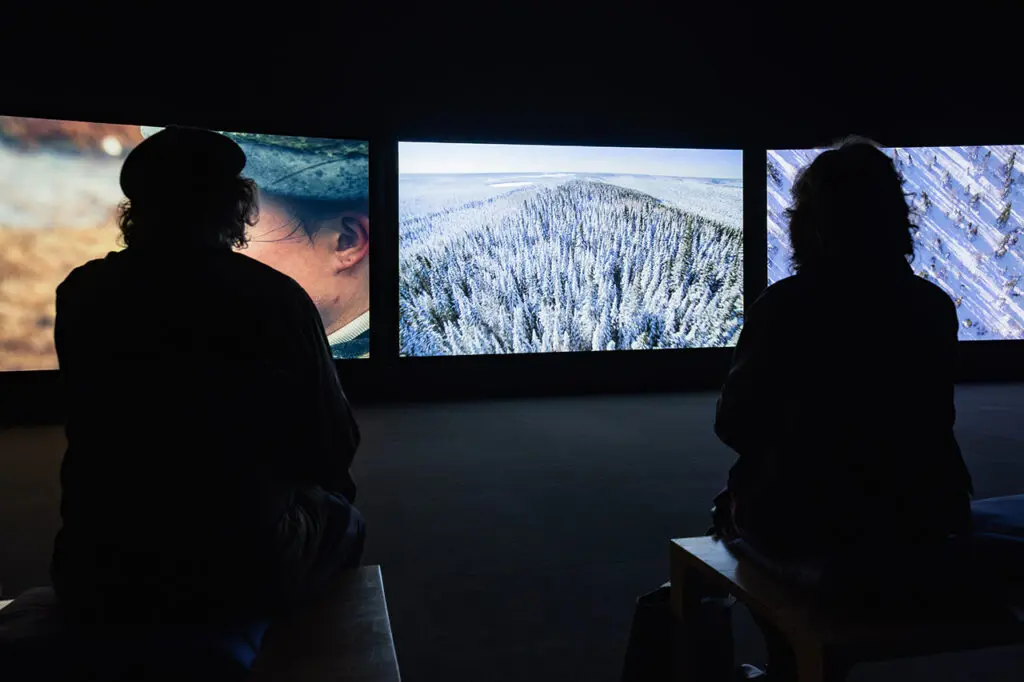
Future Geographies: Art in the Century of Climate Change serves as a testing ground for more sustainable exhibition-making practices and a platform for collaborative research and knowledge exchange. The insights gained from this exhibition will inform future projects, with the aim of embedding more sustainable practices across the organization over time. In this way, lessons from Future Geographies are intended to extend beyond a single exhibition, creating a ripple effect that shapes how the Gallery plans, produces and presents exhibitions and programs in the future.
Ongoing Commitments
Beyond individual exhibitions, the Gallery has been integrating sustainability into its day-to-day operations and long-term planning for many years.
Sustainability considerations are embedded throughout exhibition development, from the earliest planning stages to installation and deinstallation, with a focus on reusing existing walls, plinths and exhibition furniture, prioritizing recycled and responsibly sourced materials, and reducing waste wherever possible. The Gallery supports artists, exhibitions and public programs that engage with themes of climate, ecology and environmental stewardship, while education programs emphasize the reuse and recycling of art materials. Across programming and events, efforts are made to minimize single-use items and encourage reusable alternatives. The Gallery is focused on collaborative projects and partnerships with more digital than material output.
The Gallery is also working to reduce its environmental footprint through operational improvements, including moving toward a ticketless visitor experience, reducing printed materials and physical membership cards and reviewing staff travel practices to minimize air travel where possible. In support of a circular economy, the Gallery recycles toner cartridges, printer consumables, electrical cables and end-of-life technology, partnering with organizations that refurbish and redistribute usable equipment. Wherever possible, existing in-house audiovisual equipment is used to reduce the need for external rentals and transportation.
Looking Ahead
The Vancouver Art Gallery is committed to continually evaluating our practices, systems and structures in order to reduce our environmental impact and build a more sustainable future for the Gallery and our community.
Through both our internal practices and our public programming, we are determined to contribute to a broader cultural shift toward environmental responsibility. We will continue to learn, adapt and take meaningful steps, and long-term commitments, towards a greener future for everyone.
Sustainability is an ongoing commitment. Through learning, collaboration and action, we are working toward a greener future.
Related Exhibitions
Related Events