In this deeply personal reflection, local artist and Gallery Membership Desk Clerk Karin Bubaš explores how Tamio Wakayama’s photographs of Doukhobor life resonate with her own family history. She reflects on the complexities of Doukhobor identity—from misunderstood media portrayals to the quieter truths of everyday life—and how Wakayama’s images offer dignity, nuance and a sense of cultural recognition.
Visit us now through February 22, 2026, to discover for yourself why Enemy Alien: Tamio Wakayama is leaving such a lasting impression.
My family background is three-quarters Russian Doukhobor (Barisoff, Chutskoff, Rilkoff) and one-quarter Croatian (my last name). I grew up in Lynn Valley in North Vancouver, and whenever someone asked about my heritage, I would simply say that my family was Russian. Only quietly, almost in passing, would it be added that our family came from the Doukhobors. Most people didn’t know who the Doukhobors were, and any explanation was usually reduced to jokes about pacifists who took their clothes off and burned their houses down.
Every summer, we travelled to the interior of British Columbia to visit extended family. With some relatives, it felt like stepping back in time: outhouses, barns, gardens climbing up the mountainsides, and a simplicity of life that contrasted sharply with our own in North Van. As I’ve grown older, I’ve begun to revisit this history with new awareness—what it meant, how it shaped us and why my ancestors came to Canada in the first place.
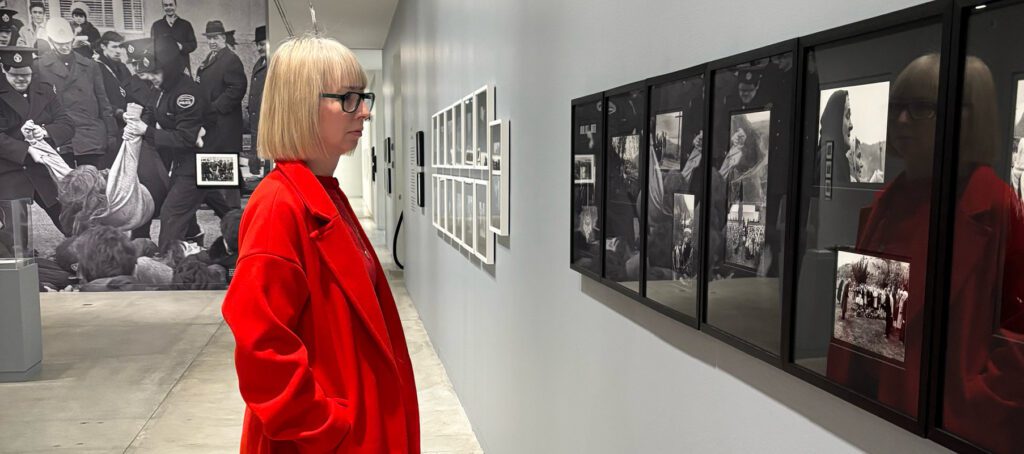
One thing I have come to understand is that Doukhobor identity has always lived in a tension between the internal experience of the people themselves and the external narratives imposed on them. That tension continues to shape how the story is remembered. This is why seeing this suite of Doukhobor works by Tamio Wakayama at the Vancouver Art Gallery—peaceful, cinematic images capturing quiet presence—has resonated so deeply with me. They offer a counterpoint to the sensationalized imagery that dominated newspapers for decades, where Doukhobors were depicted as anarchists, radicals or curiosities rather than as a community with a nuanced spiritual and cultural life, as well as a complex history.
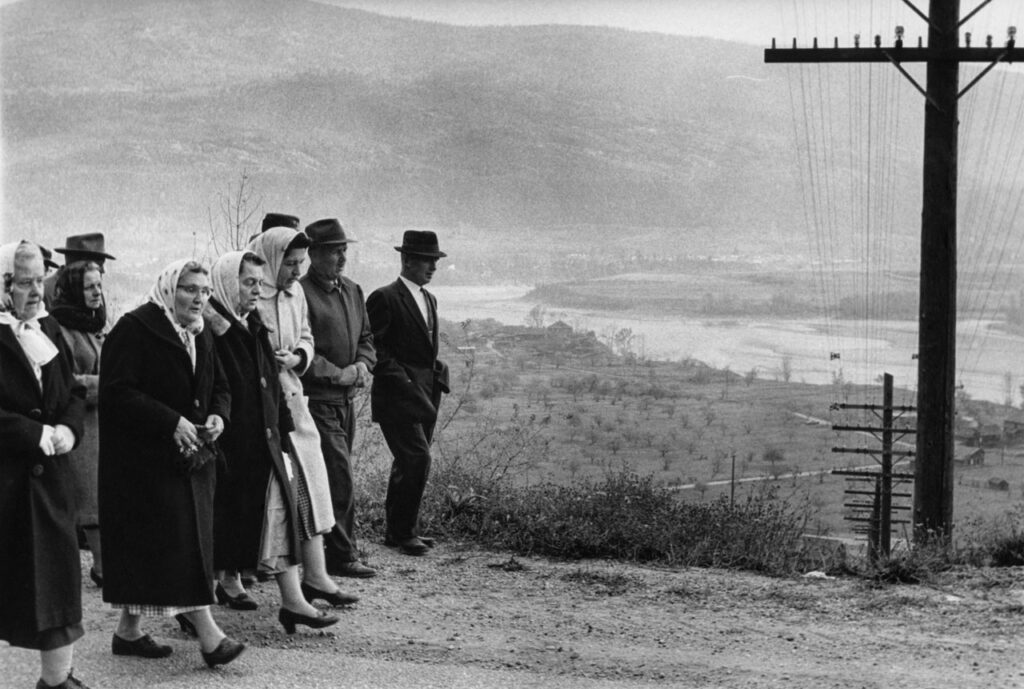
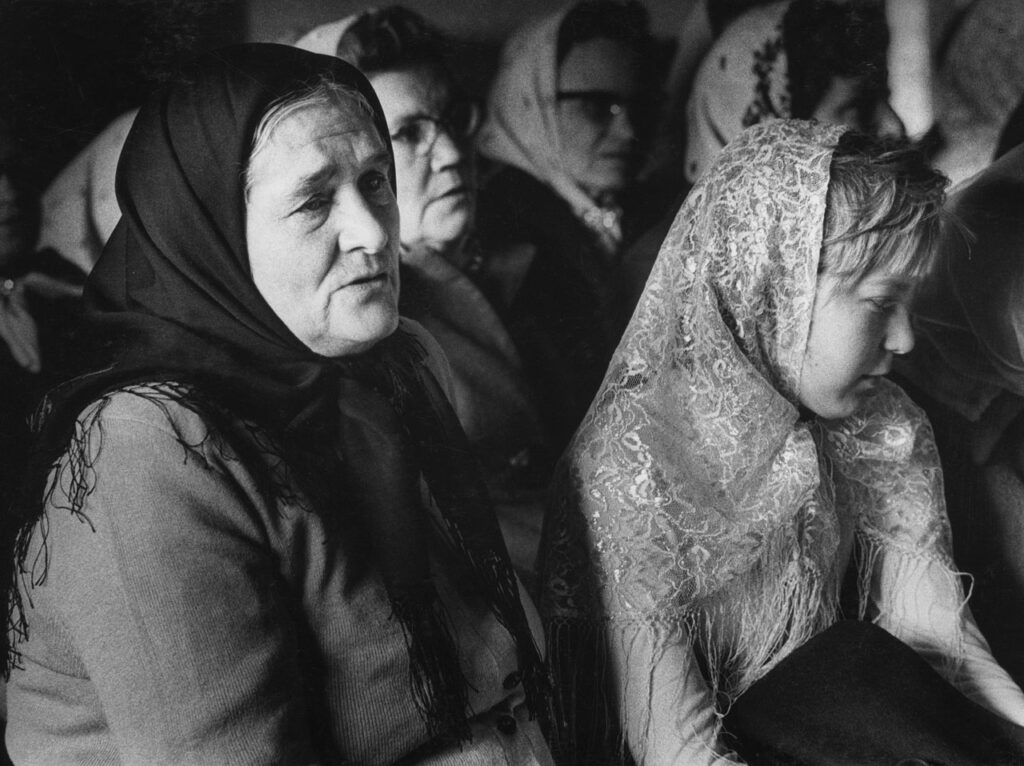
Through much of the twentieth century, the media fixation on dramatic moments—protests, burnings and resistance to state authority—obscured the quieter majority who lived their values without spectacle. Even within the Doukhobors, there was no singular way of living or believing. Some factions rejected formal education or government systems; others were more flexible. Many families, including mine, held a moderate, adaptive approach—rooted in pacifism, community and spiritual independence rather than strict dogma.
This internal diversity also shaped some of the darker chapters of Doukhobor history, including those involving the Sons of Freedom, the smallest and most radical subgroup. Their resistance to government authority—particularly around education—set the stage for one of the most painful episodes in Doukhobor–government relations. In 1953, the provincial government initiated what became known informally as Operation Snatch, in which approximately 200 Sons of Freedom children were forcibly removed from their homes and confined in a former tuberculosis sanatorium in New Denver, BC. For nearly six years, these children were kept from their families, with contact limited to brief conversations and touches through a chain-link fence. Many suffered psychological, emotional and physical harm. The last children were returned home only after their parents swore an oath to send them to public school.
Although my own parents were not part of this faction, other family members were, and this event forms part of our collective cultural memory. It underscores how deeply misunderstanding, fear and miscommunication shaped the relationship between Doukhobors and the government, and how easily a whole culture could be flattened into the actions of a few. For many Doukhobor descendants, the echoes of this trauma—even indirectly—complicate sense of belonging and identity.
By the time I was growing up, my immediate family no longer considered themselves religious in a formal sense. We didn’t practice Doukhobor rituals or talk much about faith. Yet the sensibilities of the culture—the emphasis on purpose, peace, simplicity, mutual support and a profound relationship to land—were always present. These values shaped my understanding of what it means to belong in Canada and to a lineage marked by both idealism and hardship.
My husband’s father, the late Robin Bourne, provides another link to this history. As Assistant Deputy Minister of Police Services, he worked with the provincial government in the 1980s, a period when tensions within certain Doukhobor factions required careful, patient mediation. His aim was not suppression, but peace-building—to help resolve conflicts that were often misunderstood or inflamed by sensational media portrayals. Including Robin’s role in this reflection highlights something essential: many Doukhobors and their allies were actively striving toward dialogue, understanding and healing. They were not the caricatures that the public was shown, but individuals navigating a deeply complex cultural landscape.
Seen through this lens—my family’s moderate heritage, the trauma of forced removals, Robin’s peacemaking efforts and the long history of internal diversity—the Wakayama photographs take on even greater meaning. They do not lean into crisis or spectacle. They offer instead a quiet, dignified portrayal of Doukhobor life, closer to the lived reality of most community members than any newspaper headline ever revealed.
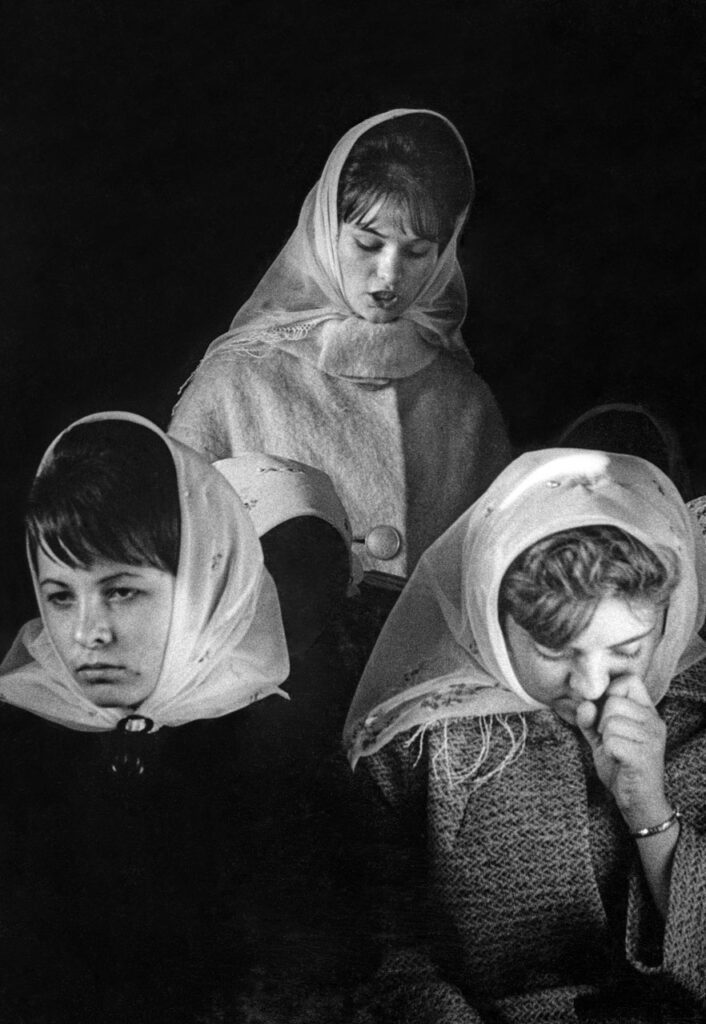
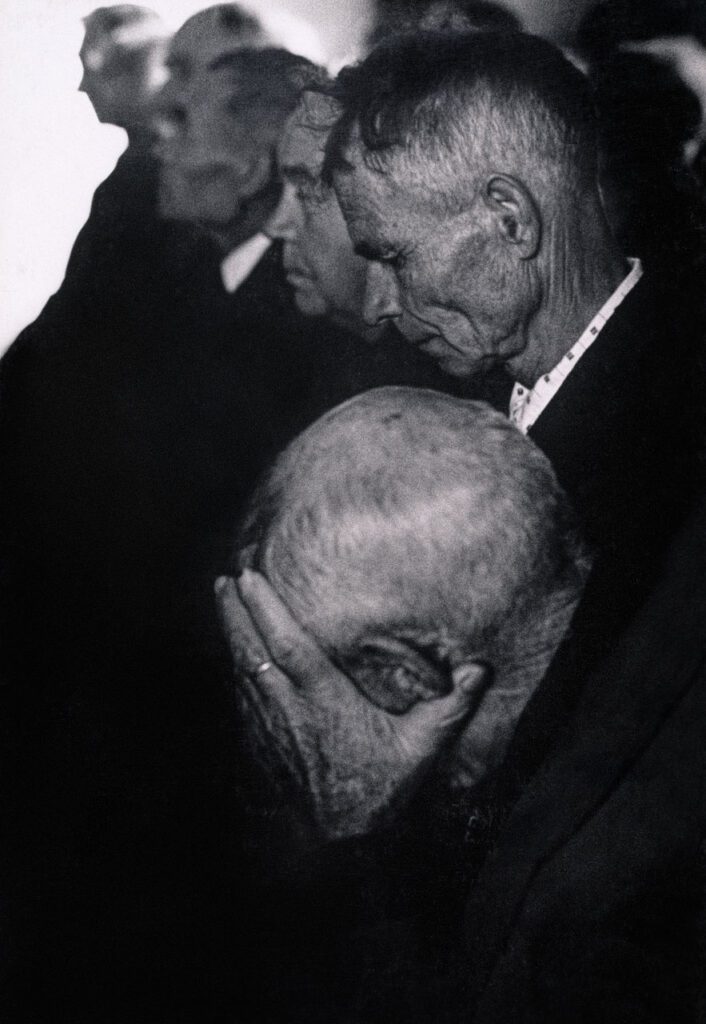
The visual stillness in these works feels especially moving. Doukhobor philosophy is rooted in pacifism, vegetarianism and the rejection of violence; yet the historical record often centres on land ownership, migration, conflict and upheaval. These artworks create space for contemplation rather than turmoil. They feel like glimpses of everyday life—moments of ordinary peace that rarely made it into the public record.
For those of us who carry this history in a softened, non-doctrinal way—no longer strictly religious, no longer living communally, but still shaped by cultural inheritance—these artworks offer recognition. They allow the Doukhobor story to be seen with nuance, dignity and empathy. They also remind us that identity often lives in quiet forms: in stories, in ways of being, in what persists even after traditions fade.
To see these works in a museum context is both affirming and reparative. They contribute to a broader understanding of the Doukhobor experience—its complexity, its diversity and its ongoing efforts toward peace from within. For me, it is not only personally meaningful but culturally important. It feels like space is finally being made for the quieter truth of who we were—and who many of us still are.